Which recyclable materials should not be placed in the recycling bin?
Recycling has now become a daily habit for all of us. But are we certain that we are contributing to it in the correct way? We know, for example, that in the special blue bins we must throw aluminum, tin, plastic, glass, and paper packaging, but we may not know that when these materials are damaged, worn out, and dirty, we must not throw them into the recycling bin…
See which recyclable materials are actually destined for the regular garbage bins:
Broken glass
Glass packaging is recyclable, but broken glass is not. The reason is that, since sorting at the centers is usually done by hand, there is a serious risk of injury to workers. This means that if a glass or a bottle breaks, we do not throw it into the blue bins but into the regular ones.
Pizza boxes – ready-meal packaging
Pizza boxes are made of cardboard, so one might think that they are recyclable. However, when we throw them away, they are full of oils and fats. In fact, no matter how much we try to clean them, this cannot be done completely, as residues always remain, and the cardboard itself seems to have been “soaked.” Therefore, not only are they not recyclable, but they also create problems in the separation process (a soiled mass is formed). The same applies to paper packaging of ready-made food.
Biodegradable or photodegradable bags
They look like regular plastic bags, but they are not the same. While normal plastic bags can be recycled and turned into plastic film, biodegradable or photodegradable bags—mainly distributed by supermarkets—have an expiration date and, after a certain point, begin to decompose. Therefore, they are not recyclable. There is also a possibility that their decomposition process may begin while they are in the blue bins or at the recycling sorting center, creating many tiny fragments that contribute to the formation of a pulp-like mass of waste, which makes recycling more difficult.
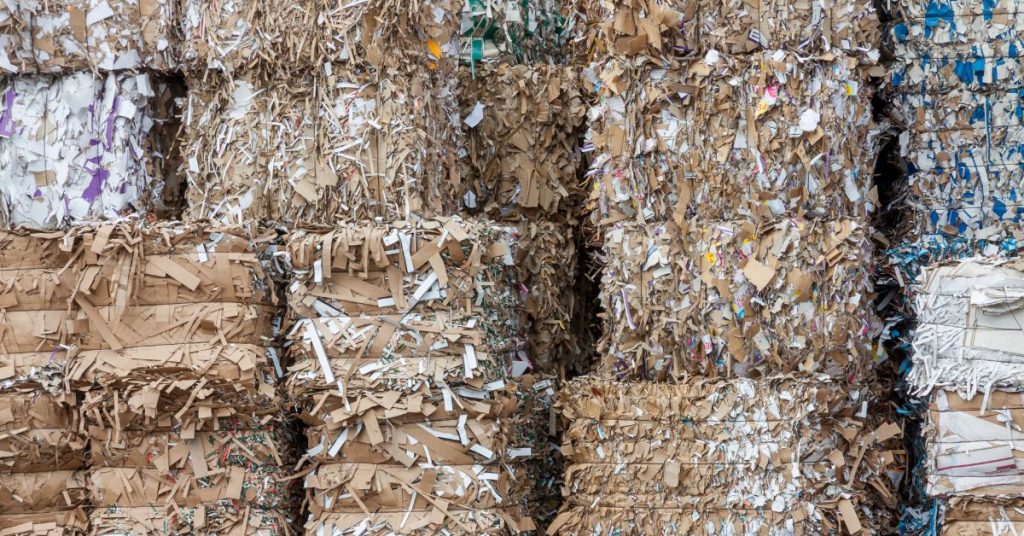
Small pieces of paper
The blue-bin system cannot process pieces of paper that are smaller than an A4-sized page. This means that torn pages, tickets, and other small paper scraps must not be thrown into the blue bins, because they create a paper sediment that makes the entire process more time-consuming.
Wet or soiled paper
Soiled napkins or pieces of greasy paper not only cannot be recycled, but they also render the remaining recyclable materials unusable. Wet paper is also unsuitable for recycling, even when it dries, because paper fibers “shrink” when they get wet. It is advisable not to throw kitchen paper and toilet paper into the blue bins, even if they are clean.
Clay materials
Many everyday items are ceramic, meaning they are made from fired clay, such as old coffee mugs. However, they must not be thrown into the blue bin, because their recycling is by no means an easy matter.
Foam (afroleks) and Styrofoam
Both are highly flammable materials and can catch fire at any stage of the recycling process. Therefore, disposing of them in the blue bins creates problems.
Toxic material containers
Plastic or metal containers that contained mineral oils, antifreeze, insecticides, etc., must under no circumstances be thrown into the blue bins, because the residues of toxic substances are difficult to remove.
CDs, DVDs, and videotapes
Although they are made primarily of aluminum, digital discs contain many additives, making their direct recycling impossible. The same applies to videotapes (the few that remain), because, apart from the plastic casing, they also contain the tape, which is not recyclable.
Straws and plastic cutlery
Although they are plastic, these single-use items cannot be easily recycled by recycling systems.
Plastic furniture
Blue recycling bins are not suitable for plastic furniture, but only for packaging materials. Bulky plastic items, which often contain other materials as well, must be directed to the bulky-item collection centers that every municipality is obligated to maintain.
Wire hangers
Most have plastic parts as well, resulting in a risk of mixing two materials. To avoid complicating the recycling process, we either separate the wire from the plastic or throw the hangers into the regular garbage bins.
Phone cards
They are not considered packaging; therefore, they must not be placed in the blue bins. Moreover, the cost of recycling them is higher than the cost of producing them, so the only solution is their reuse (e.g., decorative items and toys).
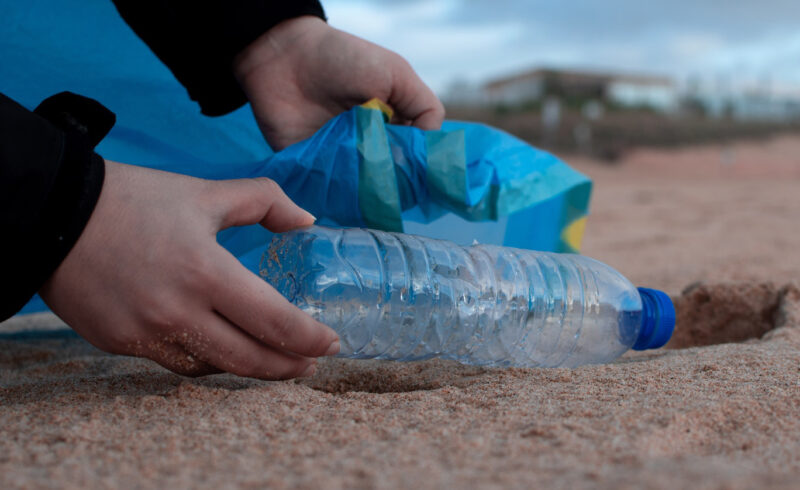
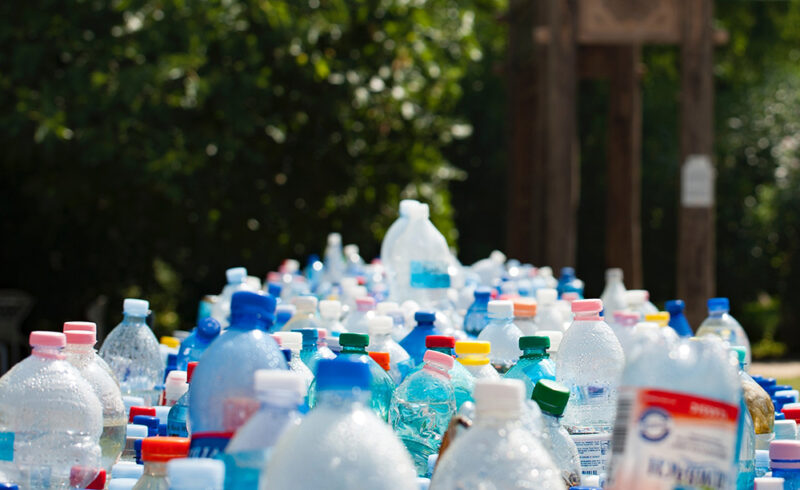
Caps from plastic bottles
While plastic bottles are a basic recyclable material, their caps are recycled in a different way. Therefore, we must remove them and throw them separately into the blue bin.
Juice cartons
There are certain juice cartons that cannot be recycled due to the combination of plastic and cardboard. Before we throw them into the blue bin, we must check whether they bear the special marking indicating suitability for recycling.
Do not forget:
● To separate packaging materials from the rest of the waste on a daily basis.
● To completely empty the packages of any residues and, if necessary, rinse them.
● To fold / compress cardboard boxes.
● Not to throw packaging materials into the bin inside tied bags, but to dispose of them loose.
● Never to throw regular rubbish into the blue recycling bins.
● To close the bins in order to protect the recyclable materials from the rain.
*Information: www.ekpizo.gr – www.herrco.gr